
POLECO 2026 – Solutions for Local Governments Facing Environmental Challenges
New regulations, rising costs, and increasingly high expectations from residents are changing the way cities and municipalities must approach waste management and municipal services. POLECO 2026 will demonstrate how these challenges can be translated into practical solutions.
The POLECO International Environmental Protection Trade Fair will take place from 6 to 8 October 2026 at the Poznań International Fair. This year’s edition will focus strongly on solutions for cities, municipalities, municipal companies, and waste management operators—from regulatory changes to technologies ready for practical implementation.
A Programme for Local Governments and the Municipal Sector
POLECO will combine a technology exhibition with an extensive conference programme. Across three stages, discussions will cover topics including PPWR, Extended Producer Responsibility (EPR), the deposit return system, recycling, municipal waste collection points (PSZOKs), biowaste and biogas plants, cybersecurity of municipal infrastructure, the digitalisation of services, and scrap management and vehicle recycling.
The programme will focus on issues that directly affect the organisation and costs of local municipal systems.
PPWR, EPR and the Deposit Return System – New Rules for Local Systems
One of the key topics will be PPWR—the new EU framework for packaging and packaging waste. Discussions will focus on how changing requirements will affect the entire packaging management system, including design for recycling, separate collection, the quality of recovered materials, recycling targets, and cooperation between producers, recyclers, operators, and local authorities.
From the perspective of municipalities and municipal companies, an important question will be how PPWR, together with EPR and the deposit return system, will affect waste streams, collection systems, and the economics of local waste management.
PSZOKs, Biowaste and Recycling – Practical Challenges for Municipalities
A significant part of the programme has been designed around the current challenges facing local governments and municipal companies. Topics will include the PSZOK of the future, improving the effectiveness of municipal waste systems, monitoring separate collection, achieving required recycling targets, managing biowaste and construction waste, and developing biogas plants.
Participants will have the opportunity to compare experiences from different municipalities and facilities and explore solutions that can improve waste collection, transport, sorting, and treatment.
Digitalisation and the Security of Municipal Infrastructure
Another important area will be the security and digitalisation of municipal infrastructure. The programme will cover cybersecurity at municipal facilities, risk management, prevention and insurance, as well as digital solutions supporting fleet management, field operations, communication with residents, record-keeping, and process monitoring.
For municipal companies, this will be an opportunity to compare tools that can improve operational efficiency, reduce costs, and strengthen the security and continuity of essential services.


Recycling, Waste Transport and New Industry Obligations
The programme will also address issues important to companies involved in recycling and waste treatment, including the digitalisation of international waste shipments, ADR obligations related to the transfer of batteries and hazardous waste, new regulations concerning end-of-life vehicles, and administrative barriers affecting business operations.
Industry meetings and B2B networking sessions will complement the programme, enabling direct exchanges of experience between local governments, operators, technology providers, and experts.
Market Launches and Technologies Ready for Implementation
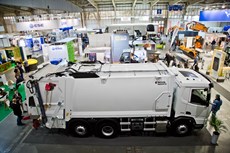
The exhibition will be just as important as the conference programme. The halls will showcase solutions for waste management and recycling, municipal equipment, urban cleaning, water and wastewater management, smart cities, the circular economy, and the green transition.
This year’s POLECO will also be a venue for market launches and presentations of new technological solutions for the municipal sector. Representatives of local governments and municipal companies will therefore be able to compare equipment, systems, and technologies that could be implemented in their own organisations and facilities—all in one place.
Live Demonstrations – Municipal Equipment in Action
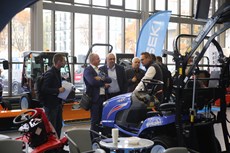
Some equipment will be presented not only at exhibition stands but also during live demonstrations. The demonstration area will feature municipal machines in operation, allowing participants to assess their capabilities in conditions similar to everyday use.
This format provides an opportunity to compare solutions directly and discuss their performance, maintenance, operating costs, and suitability for specific tasks carried out by cities, municipalities, and municipal companies.
DEPOSIT RETURN ZONE – Solutions for the New System
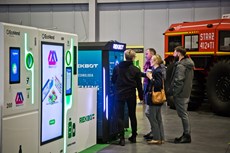
For the second time, the exhibition will also feature the DEPOSIT RETURN ZONE, an area dedicated to solutions supporting the operation of the deposit return system.
For local governments and municipal companies, particularly important issues will include the impact of the system on local models of separate waste collection and waste management, as well as its relationship with EPR and PPWR requirements. Visitors will be able to explore technologies for collecting and handling packaging, IT solutions, logistics, and organisational and financial models.
POLECO is aimed primarily at representatives of local governments, municipal companies, waste treatment facilities, recycling companies, the water and wastewater sector, and technology providers.
For cities and municipalities, the event is particularly valuable because it combines knowledge about regulatory changes with the opportunity to see practical solutions, compare technologies, and speak directly with industry professionals. It is a place where participants can both find answers to the current challenges facing municipal systems and plan investments for the years ahead.